
Lifestyle medicine uses evidence-based changes to daily habits — what you eat, how you move, sleep, manage stress and connect with others — to help prevent and manage long-term conditions such as type 2 diabetes, high blood pressure and heart disease. It works alongside medical treatment, not instead of it. Below are the 8 areas, or "pillars", we look at, with what the research shows for each and practical steps you can start with.
Changing habits is hard, especially with long working hours, caring for family, or a health condition that already takes up your energy. You don't have to get everything right. Small steps in one or two areas still count.
What is lifestyle medicine?
The European Lifestyle Medicine Organization (ELMO) describes lifestyle medicine as a branch of medicine that aims to maintain health and to prevent, treat and reverse chronic illness at every stage of life, using evidence-based changes in behaviour. We follow its 8 pillars: nutrition, physical activity, sleep, stress management, substance use, sexual health and fertility, social connection, and environmental exposures.
The strongest evidence comes from trials in people at risk of diabetes. In the US Diabetes Prevention Program, adults with raised blood sugar who followed a lifestyle programme (healthier eating, 150 minutes of activity a week and modest weight loss) were 58% less likely to develop type 2 diabetes over about 3 years than those given a placebo.
1. Nutrition

What the evidence says: A large set of reviews in The Lancet found that people who ate the most fibre had a 15–30% lower risk of dying early and of heart disease, stroke, type 2 diabetes and bowel cancer than those who ate the least. The greatest benefit was seen at 25–29 g of fibre a day. The World Health Organization (WHO) recommends at least 400 g of fruit and vegetables a day, keeping added ("free") sugars below 10% of daily energy, and eating less than 5 g of salt a day. In Singapore's 2018 National Nutrition Survey, 9 in 10 adults ate more salt than this.
What you can do:
- Use My Healthy Plate: fill half your plate with vegetables and fruit, a quarter with wholegrains such as brown rice or wholemeal bread, and a quarter with protein such as fish, tofu, beans, eggs or lean meat.
- Choose wholegrains, beans, lentils, fruit and vegetables to raise your fibre.
- At the hawker centre, ask for less gravy and sauce, and choose plain water or kopi/teh kosong instead of sweetened drinks.
2. Physical activity

What the evidence says: A review of studies with more than 30 million adults found that 75 minutes of moderate activity a week (about 11 minutes a day) was linked to a 23% lower risk of dying early, compared with doing none. At 150 minutes, the risk was 31% lower. The biggest gain came from moving from nothing to a little.
What you can do: The Singapore Physical Activity Guidelines recommend:
- 150–300 minutes of moderate activity, such as brisk walking, each week
- muscle-strengthening activities on at least 2 days a week
- breaking up long periods of sitting
Our article on how much exercise you need explains how to start safely.
3. Sleep

What the evidence says: Adults need at least 7 hours of sleep a night, according to the US Centers for Disease Control and Prevention. In a UK study of about 250,000 adults, regularly sleeping 5 hours or less was linked to a higher risk of type 2 diabetes, even in people who ate healthily. Large studies have also linked short or irregular sleep with high blood pressure and memory problems later in life.
What you can do:
- Go to bed and get up at about the same time every day, including weekends.
- Avoid caffeine in the afternoon and evening. In one study, caffeine taken even 6 hours before bed disturbed sleep.
- Turn off screens at least 30 minutes before bed, and keep the bedroom quiet, dark and cool.
We explain more in our articles on catching up on sleep at the weekend and sleep and dementia risk.
4. Stress management
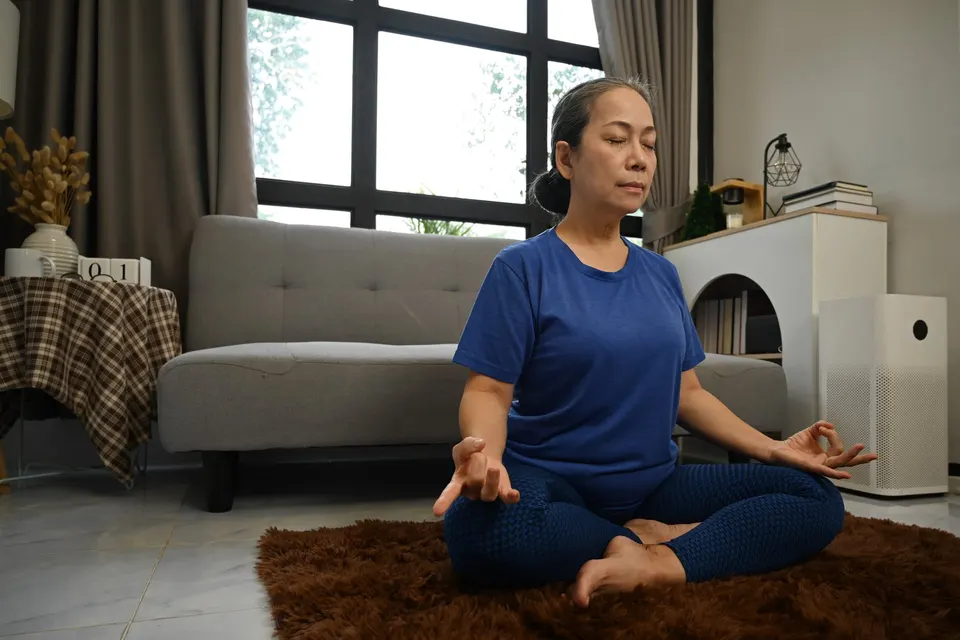
What the evidence says: Long-term stress affects both mental and physical health. In one US study, adults who repeatedly reported high stress over several years were about 37% more likely to develop high blood pressure than those with low stress. A review of 47 trials found that mindfulness meditation programmes led to small to moderate improvements in anxiety, depression and pain after about 8 weeks. In a 2023 trial of 208 adults with anxiety disorders, an 8-week mindfulness course reduced anxiety about as much as a commonly prescribed anxiety medicine. If you already take medicine for anxiety or depression, keep taking it and talk to your doctor before making any change.
What you can do:
- Try a few minutes of slow breathing, mindfulness or a relaxation exercise each day.
- Make time for hobbies, exercise and people you enjoy being with.
- Ask for help early. You can call National mindline 1771 at any time to talk to someone.
5. Avoiding risky substances
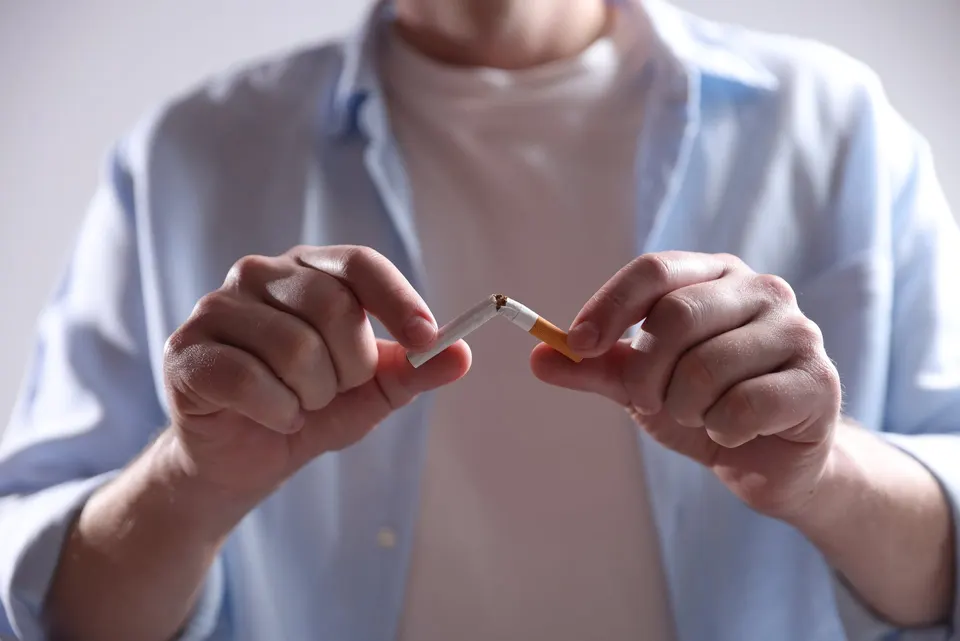
What the evidence says: Smoking shortens life by at least 10 years on average. The good news is that quitting works at any age. A large US study found that people who stopped smoking before age 40 avoided about 90% of the extra risk of dying linked to continuing to smoke. Alcohol is linked to liver disease, several cancers and injuries, according to the WHO.
What you can do:
- If you smoke, get support. HPB's free I Quit programme offers counselling, and the QuitLine is 1800 438 2000.
- If you drink, Singapore's guidance is no more than 2 standard drinks a day for men and 1 for women. Drinking less is better for health.
- Never stop or change prescribed medicines on your own. Speak to your doctor first.
6. Sexual health and fertility

What the evidence says: Sexual health is closely linked to the health of your heart and blood vessels. In a review of 25 studies involving about 155,000 men, those with erectile dysfunction (difficulty getting or keeping an erection) had a 43% higher risk of heart and blood vessel disease and a 59% higher risk of coronary heart disease. The same habits that protect the heart can help. A 2026 review of 16 trials found that diet and exercise programmes led to a modest improvement in erectile function. In another review of 11 trials, regular aerobic exercise helped most in men whose erection problems were more severe.
Lifestyle also affects fertility. In a Singapore study of 937 women trying to conceive, those with more risk factors (an unhealthy weight, an unhealthy diet, smoking, drinking alcohol, not taking folic acid, or older age) were less likely to become pregnant each month. Women with 2 of these risk factors had about a 31% lower chance of conceiving each month than those with none or 1, and the chance fell further with each extra risk factor. HealthHub notes that women's fertility falls in their 30s, especially after 35, and that sperm quality also declines with age.
What you can do:
- If you have erection problems, see a doctor rather than buying pills online. They can be an early sign of narrowed blood vessels, and the Health Sciences Authority has found illegal sexual enhancement products sold online that contain hidden prescription medicines.
- If you are planning a pregnancy, stop smoking, cut down on alcohol and aim for a healthy weight. Ask your doctor about taking folic acid before you conceive.
- See a doctor if you have been trying to conceive for 12 months without success, or for 6 months if the woman is 35 or older.
- Practise safe sex, and keep up with cervical screening if you are a woman. HPV vaccination is recommended for females aged 9 to 26.
These topics can feel awkward to raise. Your doctor will treat them like any other part of your health, in confidence.
7. Social connection

What the evidence says: A review of 23 long-term studies found that people with poor social relationships had about a 29% higher risk of coronary heart disease and a 32% higher risk of stroke. A 2024 review of decades of research also linked loneliness and social isolation with depression, dementia and dying earlier.
What you can do:
- Keep regular contact with family and friends, in person where you can.
- Join a group activity, volunteer, or visit an Active Ageing Centre if you are 60 or above.
- Get your hearing checked if conversations have become harder to follow.
Our article on loneliness and physical health has more ideas.
8. Your environment
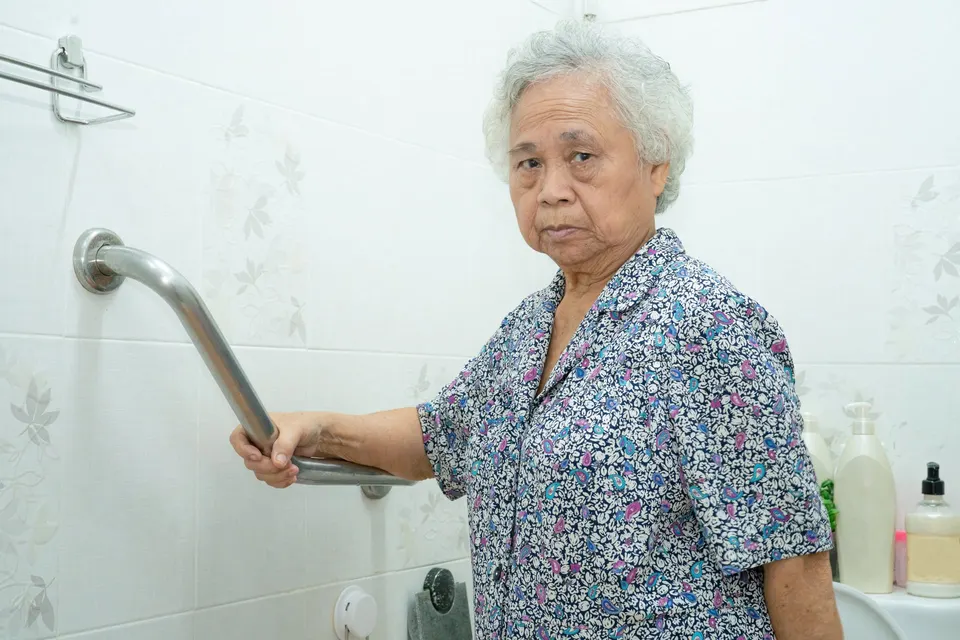
What the evidence says: What you are exposed to around you, at home, at work and outdoors, also affects your health. The WHO estimates that outdoor air pollution caused about 4.2 million early deaths worldwide in 2019, about two-thirds of them from heart disease and stroke. Closer to home, HealthHub notes that most falls among older adults happen at home, where many hazards can be fixed.
What you can do:
- During haze, check the National Environment Agency's daily air quality advisories and cut down on outdoor exertion, especially if you have heart or lung disease.
- Make your home safer: remove loose mats, add grab bars and non-slip mats in the bathroom, and keep walkways well lit. Eligible households can get subsidised home improvements under the Enhancement for Active Seniors (EASE) programme.
- In hot weather, drink regularly, and exercise in the early morning, the evening or indoors.
What about weight?
Weight isn't a separate pillar. It is shaped by several of them, especially nutrition, physical activity, sleep and stress. People of Asian descent tend to develop diabetes and heart disease at a lower body mass index (BMI) than Europeans. So Singapore uses lower BMI cut-offs, based on a WHO expert consultation: 18.5–22.9 is the healthy range, risk rises from 23, and it is high from 27.5. You don't need to reach an "ideal" weight to benefit. In people with type 2 diabetes, losing 5–10% of body weight was linked to better blood sugar, blood pressure and triglycerides, and the Diabetes Prevention Program above showed how modest weight loss can prevent diabetes.
- Focus on habits rather than the number on the scale: regular meals, smaller portions of rice and noodles, fewer sweet drinks, and more activity.
- Aim for slow, steady change. Losing 5% of your weight (3.5 kg if you weigh 70 kg) is a realistic first goal.
- Talk to your doctor if you have tried to lose weight without success. There are effective treatments that can be added to lifestyle changes.
How do I get started?
You don't need to change everything at once. It often helps to choose one or two areas, making small changes, and building from there.
In a lifestyle medicine assessment, Dr Ng will:
- look at your current habits across all 8 pillars
- set personalised, realistic goals based on your health and preferences
- review your progress at follow-up visits
- combine lifestyle changes with medical care if you have a long-term condition
If you take medicines for a long-term condition, don't stop or change them on your own — speak to your doctor first, especially as your lifestyle changes start to work.
Sources
- European Lifestyle Medicine Organization: What is lifestyle medicine?
- Knowler WC, et al. Reduction in the incidence of type 2 diabetes with lifestyle intervention or metformin. N Engl J Med 2002;346(6):393–403
- Reynolds A, et al. Carbohydrate quality and human health: a series of systematic reviews and meta-analyses. Lancet 2019;393(10170):434–445
- World Health Organization: Healthy diet fact sheet
- HealthHub: My Healthy Plate
- Health Promotion Board: National Nutrition Survey 2018 shows gradual improvements in Singaporeans' dietary habits
- Garcia L, et al. Non-occupational physical activity and risk of cardiovascular disease, cancer and mortality outcomes: a dose–response meta-analysis of large prospective studies. Br J Sports Med 2023;57:979–989
- Health Promotion Board: Singapore's physical activity guidelines revised to tackle sedentarism (June 2022)
- US Centers for Disease Control and Prevention: About sleep
- Nôga DA, et al. Habitual short sleep duration, diet, and development of type 2 diabetes in adults. JAMA Netw Open 2024;7(3):e241147
- Drake C, et al. Caffeine effects on sleep taken 0, 3, or 6 hours before going to bed. J Clin Sleep Med 2013;9(11):1195–1200
- Spruill TM, et al. Association between high perceived stress over time and incident hypertension in Black adults: the Jackson Heart Study. J Am Heart Assoc 2019;8(21):e012139
- Goyal M, et al. Meditation programs for psychological stress and well-being: a systematic review and meta-analysis. JAMA Intern Med 2014;174(3):357–368
- Hoge EA, et al. Mindfulness-based stress reduction vs escitalopram for the treatment of adults with anxiety disorders: a randomized clinical trial. JAMA Psychiatry 2023;80(1):13–21
- Ministry of Health: National mindline 1771 to provide round-the-clock support for mental health (June 2025)
- Jha P, et al. 21st-century hazards of smoking and benefits of cessation in the United States. N Engl J Med 2013;368(4):341–350
- HealthHub: I Quit programme
- World Health Organization: Alcohol fact sheet
- Ministry of Health: Alcohol recommended limits and public education
- Zhao B, et al. Erectile dysfunction predicts cardiovascular events as an independent risk factor: a systematic review and meta-analysis. J Sex Med 2019;16(7):1005–1017
- Li T, et al. Efficacy of lifestyle interventions in treating erectile dysfunction: a systematic review and meta-analysis of randomized controlled trials. J Sex Med 2026;23(6)
- Khera M, et al. Effect of aerobic exercise on erectile function: systematic review and meta-analysis of randomized controlled trials. J Sex Med 2023;20(12):1369–1375
- Loy SL, et al. Modifiable risk factor score and fecundability in a preconception cohort in Singapore. JAMA Netw Open 2023;6(2):e2255001
- HealthHub: Debunking 5 myths of fertility health
- Practice Committee of the American Society for Reproductive Medicine. Definitions of infertility and recurrent pregnancy loss: a committee opinion. Fertil Steril 2020;113(3):533–535
- Health Sciences Authority: HSA alerts public to five illegal sexual enhancement products sold online found to contain potent chemical ingredients
- HealthHub: Student immunisation and screening (HPV vaccination)
- Valtorta NK, et al. Loneliness and social isolation as risk factors for coronary heart disease and stroke: systematic review and meta-analysis of longitudinal observational studies. Heart 2016;102(13):1009–1016
- Holt-Lunstad J. Social connection as a critical factor for mental and physical health: evidence, trends, challenges, and future implications. World Psychiatry 2024;23(3):312–332
- World Health Organization: Ambient (outdoor) air pollution fact sheet
- National Environment Agency: Managing haze
- HealthHub: Falls prevention tips
- NUHS: Why it's important to keep your cool in Singapore's hot weather (2023)
- WHO Expert Consultation. Appropriate body-mass index for Asian populations and its implications for policy and intervention strategies. Lancet 2004;363(9403):157–163
- Wing RR, et al. Benefits of modest weight loss in improving cardiovascular risk factors in overweight and obese individuals with type 2 diabetes. Diabetes Care 2011;34(7):1481–1486

Dr Ng Joon Hwee
Accredited Family Physician and IBLM-Certified Lifestyle Medicine Physician at STAT Medical @ Hougang. About Dr Ng
This article is general health information and is not a substitute for personal medical advice. Please speak to a doctor about your own situation.